
6 Critical Aspects of a Flying Cold Saw You Cant Ignore for Quality Pipe Production
In the world of high-precision tube and pipe manufacturing, the choice of cutting technology directly defines your product quality and operational cost. While various methods exist, the flying cold saw stands out for applications demanding superior finish and precision. This machine is the workhorse in mills producing structural tubing, pressure pipes, and materials destined for critical welding or machining. Its ability to deliver a clean, cold-cut finish without altering material properties is unmatched. For manufacturers integrating pipe end milling, the flying cold saw isnt just a cutter; its the first and most critical step in the finishing process. Brands like SANSO have built their reputation on mastering this essential technology.
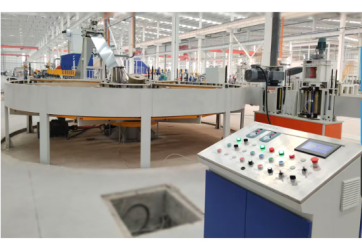
What Exactly is a Flying Cold Saw?
A flying cold saw is a synchronized cutting machine that moves ("flies") with the traveling tube. It uses a toothed, circular blade rotating at a controlled speed to generate a cutting action without generating significant heat. The term "cold" is key. Unlike abrasive or friction saws, it removes material as a chip, much like a precision lathe, keeping the workpiece and cut edge relatively cool. This prevents heat-affected zones (HAZ), material hardening, or discoloration. In a modern mill, the flying cold saw ensures every pipe length starts its journey to the milling station with a perfect end condition.
Why a Cold Saw? The Unbeatable Finish for Downstream Operations
The primary advantage of a flying cold saw is cut quality. It produces a smooth, square, and burr-minimized end. Why does this matter for welding and milling? A perfectly square cut ensures flawless alignment during fit-up, leading to stronger, more consistent welds. For pipe end milling machines that face, bevel, or groove, a clean cold-sawed end means less tool shock, extended tool life, and a more precise final machined profile. It provides a predictable, stable starting point. This seamless handoff from cutting to finishing is a core principle in SANSOs system designs.
How a Flying Cold Saw Works in Sync with Your Mill
The operation is a precise ballet of mechanics and electronics. As the tube travels at a constant speed, an encoder measures its length. This signal commands the saw carriage to accelerate, match the tubes velocity, and clamp on. Once synchronized, the hardened steel or carbide-tipped blade engages the material. A constant flow of coolant (usually a water-soluble oil) is applied to lubricate the cut, dissipate minimal heat, and flush away chips. After the cut is complete, the blade retracts, the clamp releases, and the carriage returns to its start position, all in a fraction of a second.
Key Factors When Choosing a Flying Cold Saw
Selecting the right flying cold saw is not a one-size-fits-all decision. First, consider material type and size: wall thickness and diameter determine the required blade diameter, tooth pitch, and motor power. Second, evaluate production speed: the saw must have the acceleration and tracking capability to match your mills maximum velocity. Third, look at the control system. Modern CNC-controlled servo drives offer incredible accuracy for cut length and synchronization. Fourth, assess the coolant system – it must be robust and well-filtered. Finally, consider durability and serviceability. A machine built for heavy-duty cycles, like those from SANSO, pays off in long-term uptime.
Maintenance: Keeping Your Flying Cold Saw in Peak Condition
Neglecting maintenance is the fastest way to ruin cut quality and damage a flying cold saw. Daily tasks include checking coolant levels and concentration, inspecting the blade for dull or damaged teeth, and clearing accumulated chips. Regularly monitor clamping pressure and alignment. The guide rails and ball screws require consistent lubrication per the manufacturers schedule. Perhaps most importantly, implement a strict blade maintenance and replacement program. A dull blade forces the machine, creates poor cuts, and damages the workpiece. A well-maintained saw is a reliable profit center.
The Direct Link to Pipe End Milling Machine Performance
This connection cannot be overstated. A flying cold saw that produces out-of-square, burred, or work-hardened ends will cripple your pipe end milling station. The milling machines tools will wear prematurely. The finished bevel will be inconsistent, jeopardizing weld integrity. Vibration from a poor cut can cause chatter and inaccuracies. Investing in a high-performance flying cold saw is, therefore, an investment in protecting your downstream milling equipment and ensuring its output is flawless. It’s about viewing the production line as one integrated system.
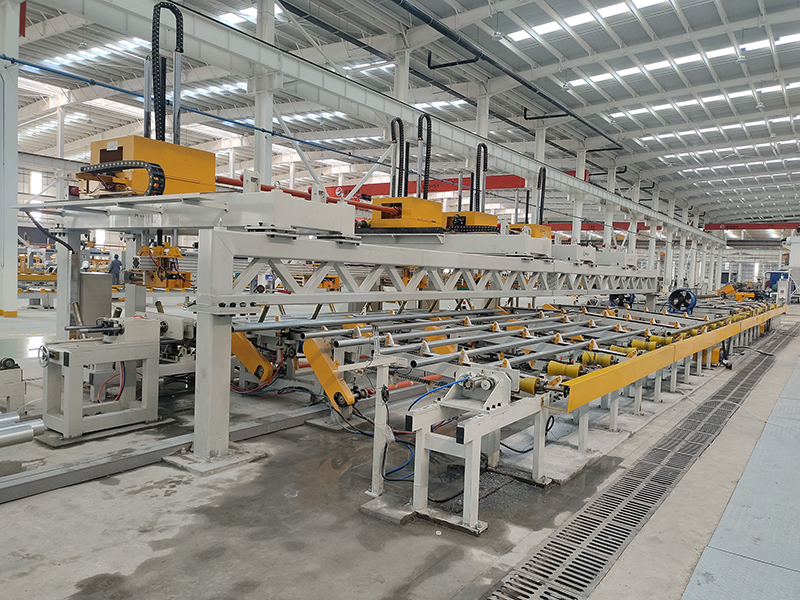
Future Trends: Smarter, More Efficient Flying Cold Saws
The evolution continues. We see more integration of Industry 4.0 features. Sensors monitor blade vibration, cutting force, and motor load, predicting maintenance needs before failures occur. Automated blade changing systems are reducing downtime for product changeovers. Advanced coolant management systems maintain optimal temperature and cleanliness automatically. The goal is a flying cold saw that is not only more precise but also more autonomous, providing data to optimize the entire production flow.
In conclusion, for manufacturers who prioritize cut quality, material integrity, and downstream processing efficiency, the flying cold saw remains the gold standard. It is the foundational step that enables everything that follows in the pipe finishing process. Choosing a reliable, precision-engineered flying cold saw is a critical business decision that impacts product quality, tooling costs, and overall profitability. Partnering with experts who understand this holistic process, such as the engineers at SANSO, ensures your cutting technology is a catalyst for quality, not a bottleneck.
Frequently Asked Questions (FAQs)
Q1: What is the main difference between a flying cold saw and a flying friction saw?
A1: A flying cold saw uses a toothed blade to mechanically cut the material, generating chips and minimal heat. A friction saw uses a high-speed disc to melt through the material, creating significant heat, slag, and a hardened edge. Cold saws are preferred for quality finishes and machinability.
Q2: How important is coolant in a flying cold saw operation?
A2: Coolant is absolutely vital. It lubricates the cut, reducing blade wear and power consumption. It dissipates the heat that is generated, keeping the workpiece "cold" and preventing metallurgical damage. It also flushes away chips, preventing re-welding to the blade or workpiece.
Q3: Can a flying cold saw cut all types of metals?
A3: While extremely versatile, optimal performance depends on blade selection. Standard HSS blades are great for mild steel, aluminum, and copper. For harder alloys like stainless steel or high-strength tubing, carbide-tipped or specialized bi-metal blades are necessary to maintain cut quality and tool life.
Q4: The initial cost seems high. What is the ROI on a quality flying cold saw?
A4: The return comes from multiple areas: vastly reduced downstream machining time and tool wear due to superior cut quality, near-zero material waste from precise length control, higher overall line speed (no stopping), and the ability to command a premium for high-finish products. It’s a capital investment that lowers cost-per-part.
Q5: We use a SANSO pipe end milling machine. Does flying cold saw brand integration matter?
A5: While technically interoperable, seamless integration matters greatly. A flying cold saw from a specialist like SANSO is designed with the entire process in mind. Communication between the saw and milling station controls can be optimized, and technical support comes from a single source that understands how each machine affects the other, ensuring peak combined performance.
Related News
More -

6 Critical Aspects of a Flying Cold Saw You Cant Ignore for Quality Pipe Production
In the world of high-precision tube and pipe manufacturing, the choice of cutting technology directly defines your product quality and operational cos ...2026-01-14View More -
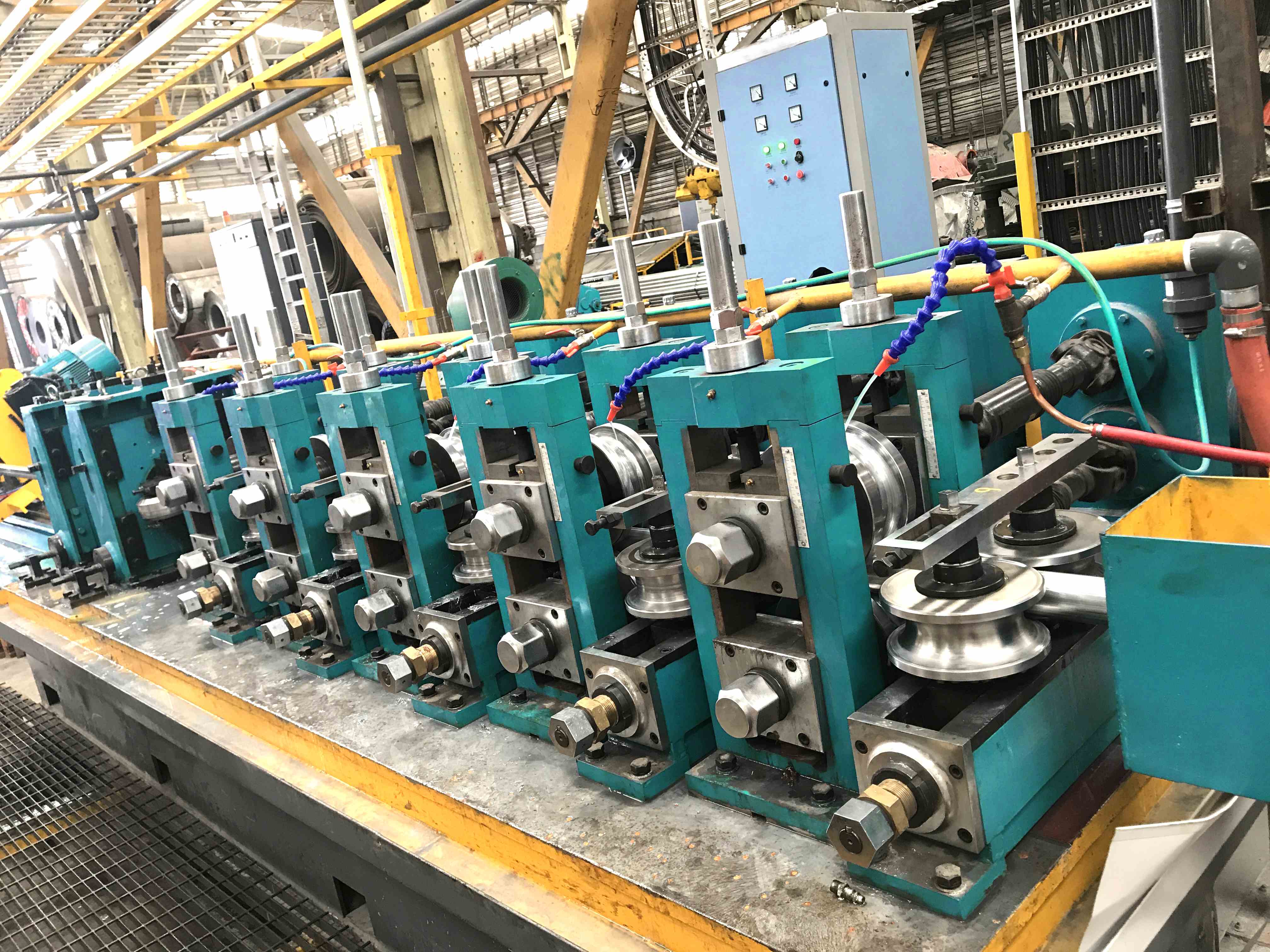
Flying Cold Saw: Synchronized Cut-Off Technology for Continuous Tube and Pipe Production
Production managers and mill engineers operating tube and pipe lines understand that cut-off operations directly impact overall equipment effectiven ...2026-04-10View More
-
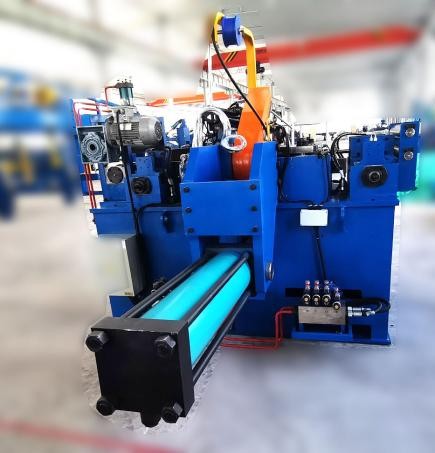 Why Does Your Tube Mill Cut-Off Leave Burrs? An Engineering Analysis
 -
 Ferrite Core Service Life and Function in Tube Mills
 -
 How Much Zinc Wire Is Used for 1 Ton of Galvanized Tube
 -
 Why Does Your Tube Mill Require a High-Quality Saw Blade HSS for Clean Cuts?
 -
 How Tube Mill Equipment Flips Rectangular Tubes Before Stacking