
7 Key Facts About CTL Machines in Welded Tube Manufacturing
Precision cutting is a cornerstone of efficient welded tube and pipe production. At the heart of this operation is the CTL machine, or Cut-to-Length machine. This equipment automates the process of transforming coiled or long metal stock into accurately measured blanks or final lengths.
For manufacturers in the structural steel and pipe industry, implementing a reliable CTL system is a strategic move. It directly influences material costs, production throughput, and the quality of the final welded product. Reputable manufacturers like SANSO specialize in providing robust solutions tailored for this demanding sector.
What is a CTL Machine and Why is it Used?
A CTL machine is an automated processing line. Its primary function is to uncoil, level, measure, and cut metal into specific, predefined lengths. This creates a seamless flow from raw material to prepared parts.
The Core Role in Tube Mills
In welded tube manufacturing, the process often starts with flat steel sheet or strip. A CTL machine is used to produce precise rectangular blanks from a master coil. These blanks are then fed into the roll forming section of the tube mill.
The accuracy of this blank is critical for:
- Ensuring consistent tube diameter.
- Creating a uniform weld seam.
- Minimizing material waste at the coils start and end.
Primary Components and How They Work
A modern CTL machine is an integrated system. Each component plays a specific role in achieving precision and efficiency.
Decoiler and Leveling Unit
The process begins at the decoiler, which holds and pays out the metal coil. The material then passes through a leveler (or straightener). This unit removes coil curvature and internal stresses, delivering flat, stable sheet to the feed system.
Precision Feeding and Measuring System
This is the accuracy center of the machine. A servo-driven feeder advances the material a precise distance. An encoder measures the feed length in real-time, communicating with the central controller.
- Allows for rapid change between different cut lengths.
- Maintains tolerances often within +/- 0.5 mm or better.
- Enables high-speed operation with minimal vibration.
Cutting Mechanism and Discharge
The most common cutting method for sheet is a guillotine shear. It provides a fast, clean cut. After cutting, a stacking table or conveyor system organizes the finished blanks for easy handling and transport to the next production stage.
Main Benefits for Tube and Pipe Producers
Integrating an automated CTL machine into your workflow offers several measurable advantages.
Improved Material Yield and Cost Control
Automated optimization of the cutting sequence from a coil minimizes scrap. Reducing trim loss by even a small percentage leads to significant annual savings on raw material costs.
Increased Production Speed and Output
Manual measuring and cutting cannot match the speed of an automated line. A CTL machine runs continuously at a set pace, dramatically increasing throughput and reducing labor requirements per unit produced.
Enhanced Consistency and Quality
Every blank or cut piece is identical. This repeatability is essential for automated welding processes, where consistent part dimensions ensure proper fit-up and strong, reliable welds. Suppliers like SANSO design their machines to deliver this consistency shift after shift.
Typical Applications in the Industry
The versatility of a CTL machine makes it suitable for various stages of metal fabrication.
Preparing Blanks for Tube Mills
This is the most direct application. Precise sheet blanks are the starting point for manufacturing round, square, or rectangular welded tubes and pipes.
Finishing and Custom Length Cutting
Some facilities use CTL lines to cut finished welded tubes or structural profiles (like beams and channels) to custom lengths for specific orders or shipping requirements.
Supporting Structural Fabrication
Beyond tube making, these machines supply cut-to-length plate and sheet for:
- Construction and building frames.
- Heavy equipment manufacturing.
- Industrial shelving and storage systems.
How to Choose the Right CTL Machine for Your Needs
Selecting equipment requires a clear understanding of your production requirements. Here are key factors to consider.
Material Specifications and Capacity
Define your material range: thickness (gauge), width, tensile strength, and type (e.g., mild steel, galvanized, aluminum). The machine must be built to handle your maximum specifications without strain.
Required Precision and Cutting Tolerance
Determine the acceptable length tolerance for your products. Tighter tolerances require higher-grade components, such as precision-ground guideways and advanced servo systems, which influence the machines cost and capability.
Desired Level of Automation
Options range from semi-automatic to fully automated lines.
- Basic: Manual loading/unloading with automatic cutting.
- Intermediate: Automatic feeding, cutting, and stacking.
- Advanced: Integrated coil handling, automated width adjustment, and production data tracking.
Integration with Existing Operations
The new CTL machine must fit your physical space and workflow. Consider how material will arrive (coil weight/size) and how finished blanks will be transported to the next process (tube mill, storage, etc.).
Frequently Asked Questions (FAQs)
Q1: What is the difference between a CTL line and a slitting line?
A1: A CTL machine cuts material crosswise into specific lengths from a coil or long sheet. A slitting line cuts the material lengthwise (slits it) into narrower coils or strips but does not cut it to a short, finished length.
Q2: Can one CTL machine handle different types of metal?
A2: Many machines are designed to process a range of materials. However, switching between very different metals (e.g., from soft aluminum to hard steel) may require adjustments to the leveling pressure, feed speed, and possibly a change of shear blades to maintain cut quality and tool life.
Q3: What are the most important maintenance tasks for a CTL machine?
A3: Regular maintenance is key to longevity and accuracy. Essential tasks include:
- Lubricating all moving parts as specified.
- Checking and sharpening/replacing shear blades.
- Inspecting hydraulic systems for leaks and proper fluid levels.
- Verifying the calibration of the measuring encoder.
Q4: Is it better to have a dedicated CTL machine or an integrated flying cut-off on the tube mill?
A4: A dedicated CTL machine for creating blanks offers flexibility for order changes and can run independently of the tube mill. An integrated flying cut-off is best for high-volume production of the same tube profile, cutting it to final length after welding. Many successful operations use both for different purposes.
Q5: What safety features should I look for?
A5: Prioritize machines with comprehensive safety systems. These include physical guarding around pinch points and the shear, light curtains or safety scanners at the feed area, emergency stop cords along the length of the machine, and a clearly designed, two-handed control operation for the cutting cycle.
A well-chosen and properly maintained CTL machine is a fundamental asset for any competitive welded tube manufacturer. It standardizes the initial and often most variable stage of production.
The investment goes beyond purchasing hardware. It is an investment in process control, waste reduction, and production scalability. By carefully evaluating your needs against machine capabilities, you can select a system that delivers a strong return.
For manufacturers seeking reliable and efficient solutions, exploring the offerings from established brands like SANSO is a prudent step. Their expertise in building durable CTL machine systems can help streamline your tube production from the very first cut.
Related News
More -
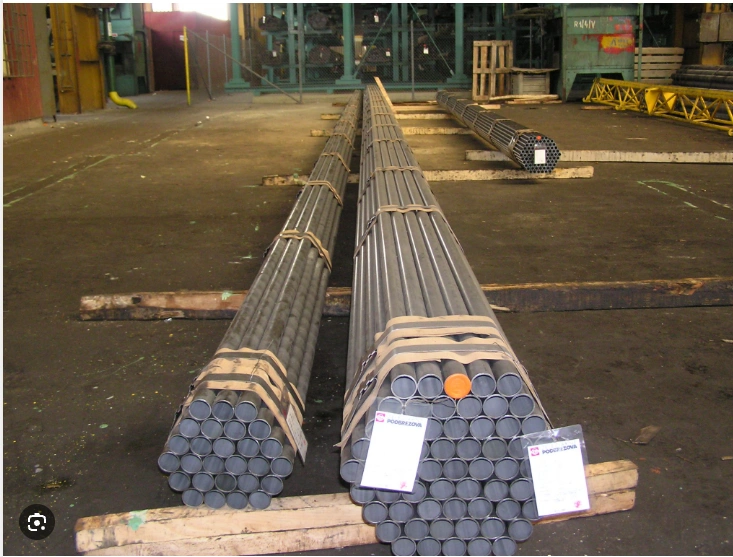
How To Remove The Water Inside Of Steel Tube
When the steel tube is manufactured by ERW piep mill , the steel tube will be stacked into the bundle by manual or automatic stacking machine . there ...2026-05-18View More -
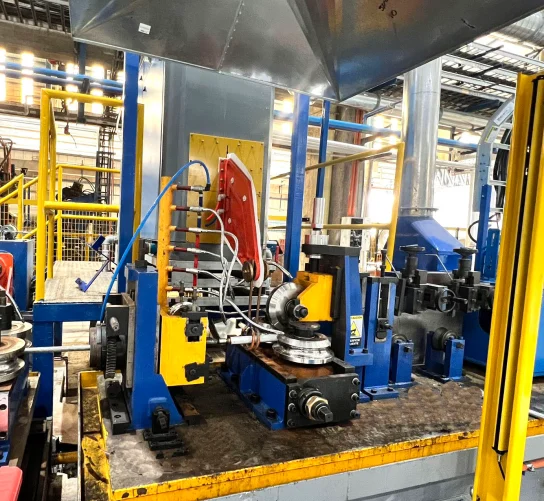
Ferrite Core Service Life and Function in Tube Mills
In an ERW tube mill, the ferrite core is a small component, but it has a direct influence on welding efficiency and weld seam quality. Many operators ...2026-07-06View More -
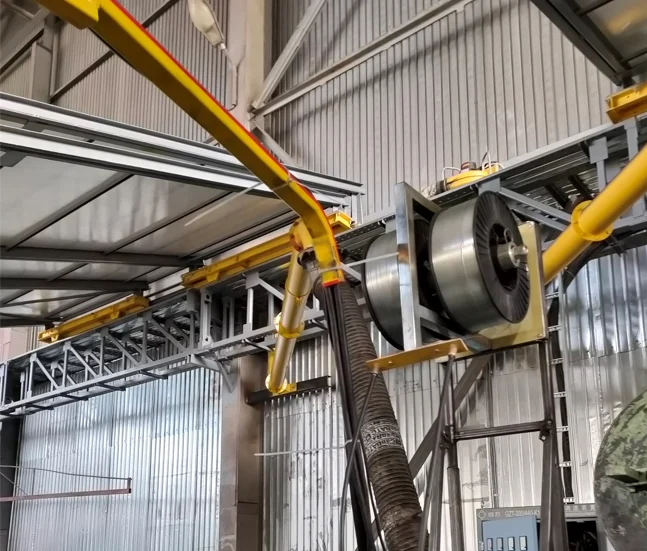
How Much Zinc Wire Is Used for 1 Ton of Galvanized Tube
In galvanized tube production, the weld seam is a small area, but it has a direct influence on the corrosion resistance of the finished tube.During ER ...2026-07-06View More -
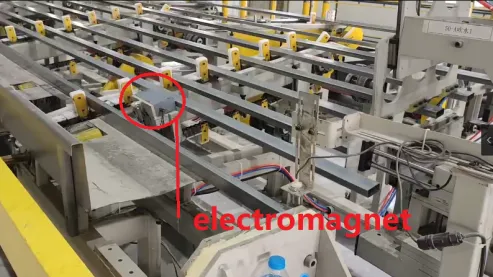
How Tube Mill Equipment Flips Rectangular Tubes Before Stacking
In a tube mill line, most people pay close attention to forming, welding, sizing, cutting, and final tube quality. But in daily production, some of th ...2026-07-04View More -
Solid Calcium Cored Wire Applications in Steel Making
Calcium treatment is a small step in the steelmaking process, but it can have a very clear impact on steel cleanliness, casting stability, and final p ...2026-07-04View More
-
 Why Does Your Tube Mill Cut-Off Leave Burrs? An Engineering Analysis
 -
Ferrite Core Service Life and Function in Tube Mills
-
How Much Zinc Wire Is Used for 1 Ton of Galvanized Tube
-
 Why Does Your Tube Mill Require a High-Quality Saw Blade HSS for Clean Cuts?
 -
How Tube Mill Equipment Flips Rectangular Tubes Before Stacking