
Tube Mill Machine Price: A Complete Guide to Costs and Considerations
Investing in a new tube production line is a significant decision for any fabricator. A primary question that emerges early in the process is about the tube mill machine price. This figure is not a simple sticker price; it is a reflection of the machines capabilities, technology, and the value it will bring to your operation over its lifetime.
The cost of a tube mill machine varies widely based on specifications, from a basic entry-level system to a fully automated, high-speed production line. Understanding what drives this cost is essential for making a budget-conscious yet strategic investment. Manufacturers like SANSO provide a range of solutions, helping businesses find the right balance between performance and the overall tube mill machine price.
What Factors Determine the Tube Mill Machine Price?
The final price tag of a tube mill is not arbitrary. It is built from the ground up based on a series of engineering and commercial decisions. These factors directly influence the capital required and the long-term return on investment.
1. Mill Type and Welding Technology
The core technology is the largest cost driver. A high-frequency (HF) welded mill for carbon steel has a different price point than a TIG or laser welding system for stainless steel. More advanced welding processes require more sophisticated and expensive power sources and controls.
- HF Welding Mills: Most common for structural pipe, offering a good balance of speed and cost.
- TIG Welding Mills: Used for higher-quality finishes, often on stainless steel. Higher tube mill machine price due to precision.
- Laser Welding Mills: Premium technology for the highest quality and speed, commanding the highest price.
2. Production Capacity and Line Speed
A mill designed for 20 meters per minute is fundamentally different from one built for 120 meters per minute. Higher speeds require:
- More powerful drives and motors.
- Heavier, more rigid frame construction to minimize vibration.
- Advanced, high-speed cut-off saws.
- These engineering requirements increase the base tube mill machine price.
3. Material Specifications and Product Range
The thickness, width, and strength of the steel you plan to process matter. A mill built to handle high-tensile, thick-walled steel requires larger, more robust components than one for light-gauge material. The ability to produce a wide range of tube diameters also adds complexity and cost.
4. Level of Automation and Control Systems
Automation is a major cost variable. A manual line with basic controls is less expensive upfront. A fully automated line with robotic handling, advanced PLCs, and touch-screen HMIs will have a higher tube mill machine price but lower labor costs per unit produced.
Suppliers like SANSO can configure systems to match your desired automation level, directly impacting the final quotation.
5. Machine Build Quality and Component Brands
The quality of construction and the brands of key components (servo motors, PLCs, bearings) significantly affect price. A mill built with premium, globally-recognized components will cost more but typically offers greater reliability, precision, and longevity.
Understanding the Total Cost of Ownership
The initial tube mill machine price is only part of the financial picture. A comprehensive evaluation must consider the Total Cost of Ownership (TCO) over 5-10 years.
Initial Purchase Price vs. Long-Term Value
A lower upfront cost can be attractive, but it may lead to higher expenses later. Consider:
- Energy Consumption: More efficient motors and drives save on electricity.
- Maintenance Costs: A well-built machine with accessible parts may have lower maintenance costs.
- Production Yield: A precise mill wastes less material, improving your effective material cost.
- Downtime: Reliable machines produce more revenue over time.
Essential Auxiliary Equipment Costs
The core mill is often just one part of the needed investment. A functional production line requires supporting equipment. This ancillary cost must be included in your budget planning.
- Decoiler and entry equipment.
- Tooling sets (forming and sizing rolls) for different tube sizes.
- Material handling systems (conveyors, stackers).
- Spare parts inventory.
Budget Ranges and What to Expect
While exact quotes are specific, understanding general price tiers can help set realistic expectations for the tube mill machine price.
Entry-Level and Basic Mills
These are often smaller, manual or semi-automatic lines for light-gauge tubes. They may have simpler controls and a narrower production range. Prices can start in a range appropriate for small workshops but vary greatly by specification.
Mid-Range Production Mills
This category includes robust HF welded mills with moderate automation, digital controls, and good speed. They are the workhorses for many small and medium-sized tube producers. The tube mill machine price here reflects a balance of performance and durability.
High-Speed, Fully Automated Lines
For large-volume production, prices increase substantially. These lines feature advanced welding, complete automation, integrated quality control, and high-speed capabilities. The investment is significant but justified by the output and efficiency gains.
How to Get an Accurate Quotation
To move from a ballpark figure to a firm price, you must provide detailed information to potential suppliers.
Prepare Your Specifications
Be ready to share clear details about your production goals:
- Target tube dimensions (OD, wall thickness, length).
- Material type and grade (e.g., mild steel, galvanized).
- Required production output (tons per shift, meters per minute).
- Desired level of automation.
- Available factory space and utilities.
Evaluate the Quotation Holistically
When you receive quotes, look beyond the bottom line. Compare what is included: warranty terms, training, installation support, and the quality of key components. A slightly higher tube mill machine price from a reputable manufacturer like SANSO often includes valuable engineering expertise and reliable after-sales service, reducing long-term risk.
Frequently Asked Questions (FAQs)
Q1: What is the typical price range for a new tube mill machine?
A1: There is no single "typical" price. It varies from tens of thousands for a very basic, small system to several hundred thousand or more for a high-speed, automated production line. The final tube mill machine price depends entirely on the factors discussed above.
Q2: Is it better to buy a new or used tube mill?
A2: A new mill comes with the latest technology, a full warranty, and manufacturer support. A used mill has a lower upfront cost but may come with hidden maintenance issues, obsolete controls, and limited support. For critical production, new machines often offer better long-term value and reliability.
Q3: Besides the machine itself, what other costs should I budget for?
A3: Remember to budget for installation (foundation, electrical work), initial tooling (roll sets), operator and maintenance training, a supply of spare parts, and any necessary building modifications (cranes, ventilation). These can add 15-30% or more to the base machine price.
Q4: Does a higher price always mean better quality?
A4: Generally, a higher tube mill machine price reflects better components, heavier construction, and more advanced features. However, it is crucial to evaluate the manufacturers reputation, the suitability of the technology for your specific needs, and the comprehensiveness of the service package included.
Q5: Are there financing options available for such equipment?
A5: Yes, many equipment manufacturers work with financial partners to offer leasing or financing plans. This can help manage cash flow by spreading the tube mill machine price over monthly payments. It is important to consider the total cost of the financing agreement, including any interest or fees.
Understanding the variables behind the tube mill machine price is the first step toward a sound investment. It is a complex calculation that balances immediate costs against long-term performance, efficiency, and reliability.
The goal is not simply to find the lowest price, but to find the best value—a machine that will produce quality tubes efficiently for years to come. This requires careful planning, clear specifications, and choosing a manufacturer with a proven track record.
By taking a holistic view of both the upfront tube mill machine price and the total cost of ownership, you can make a confident decision. Partnering with established and experienced manufacturers like SANSO can provide the clarity and support needed to navigate this important purchase and ensure your new mill becomes a profitable asset.
Related News
More -
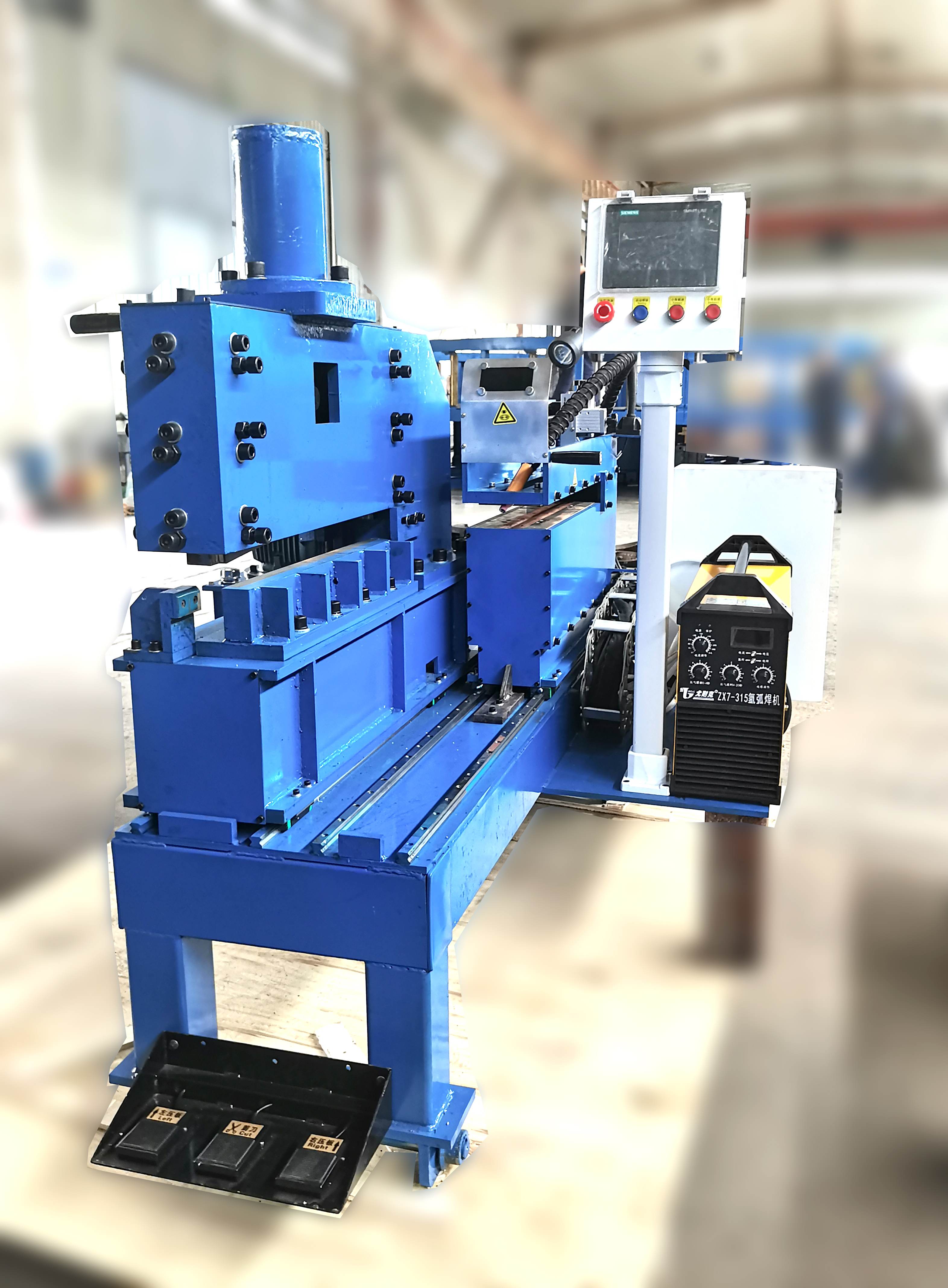
Flying Saw Systems: Precision Cut-Off for High-Speed Tube and Pipe Production Lines
In continuous tube and pipe manufacturing, the transition from endless welded tube to finished cut lengths is performed by a flying saw. Unlike stat ...2026-04-09View More -
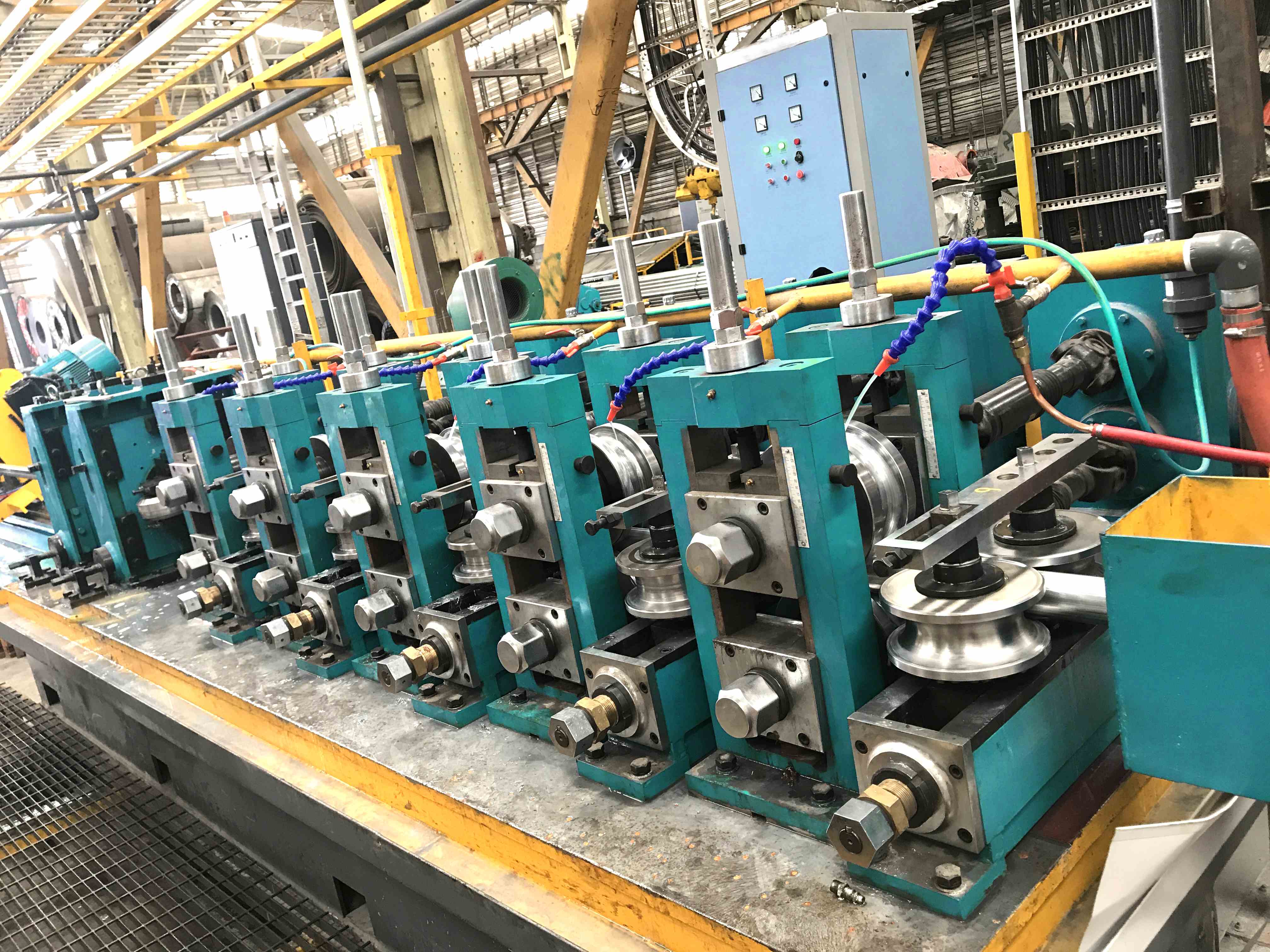
Flying Cold Saw: Synchronized Cut-Off Technology for Continuous Tube and Pipe Production
Production managers and mill engineers operating tube and pipe lines understand that cut-off operations directly impact overall equipment effectiven ...2026-04-10View More -
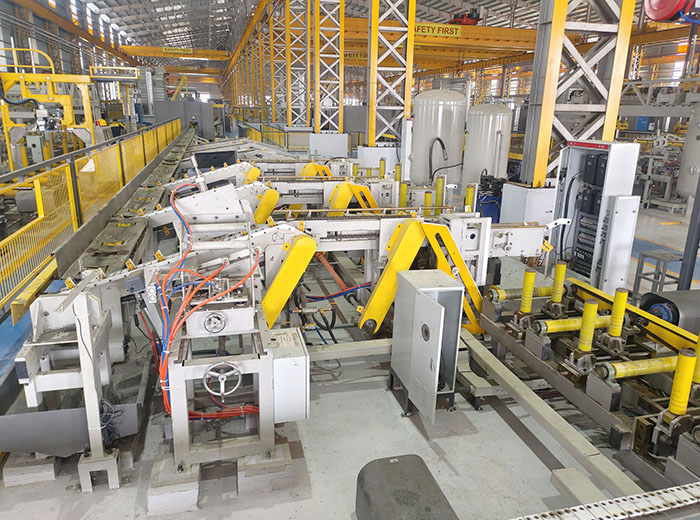
Flying Cut Off Saw: Precision Synchronized Cutting for Continuous Tube and Pipe Production
For tube and pipe mill operators, the cut-off operation directly influences line uptime, material yield, and end-product quality. A flying cut off s ...2026-04-10View More -

Ferrite Rod Core Engineering: Maximizing HF Welding Stability in Precision Tube Mills
In high-frequency (HF) electric resistance welding (ERW) for steel tubes, the ferrite rod core — commonly known as the impedor core — directly dicta ...2026-04-13View More -
HSS Circular Saw Blades for Metal Cutting: Material Science and Industrial Performance
In high-volume metal processing environments—such as tube and pipe mills, automotive parts manufacturing, and structural steel fabrication—the select ...2026-04-13View More
-
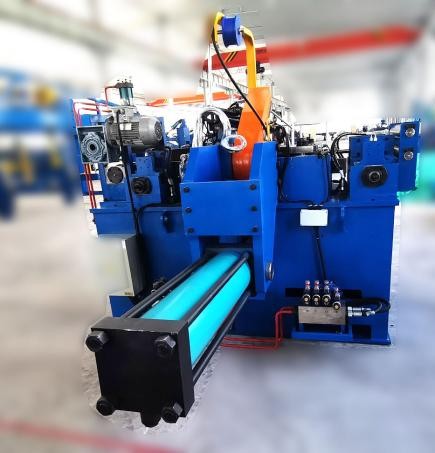 Why Does Your Tube Mill Cut-Off Leave Burrs? An Engineering Analysis
 -
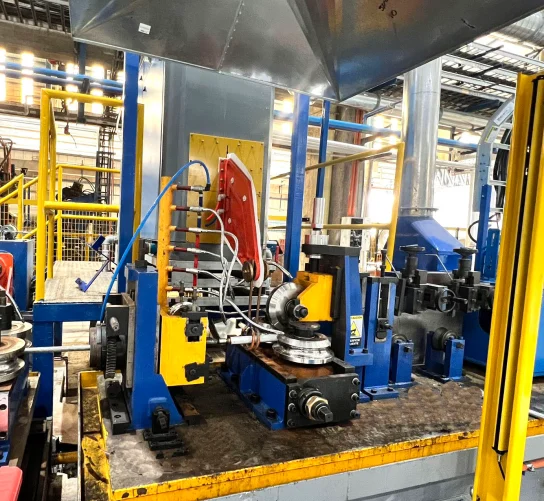 Ferrite Core Service Life and Function in Tube Mills
 -
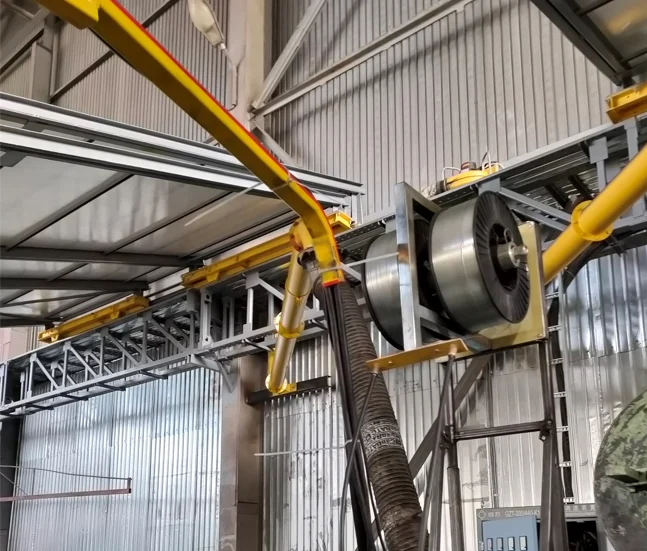 How Much Zinc Wire Is Used for 1 Ton of Galvanized Tube
 -
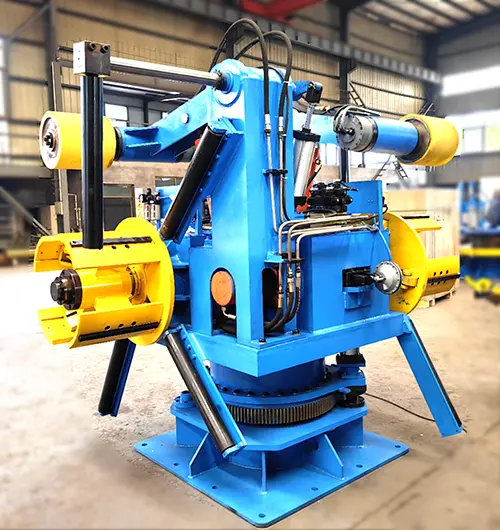 Why Does Your Tube Mill Require a High-Quality Saw Blade HSS for Clean Cuts?
 -
 How Tube Mill Equipment Flips Rectangular Tubes Before Stacking